Ancient Historians
Ancient Historians
How the classical world remembered and rationalized the Trojan War
Homer's contemporaries and near-successors did not treat the Trojan War as myth — they treated it as history, subject to scrutiny and debate. These ancient writers are the first in a long line of readers who tried to figure out what really happened at Troy, and how much of Homer to believe.
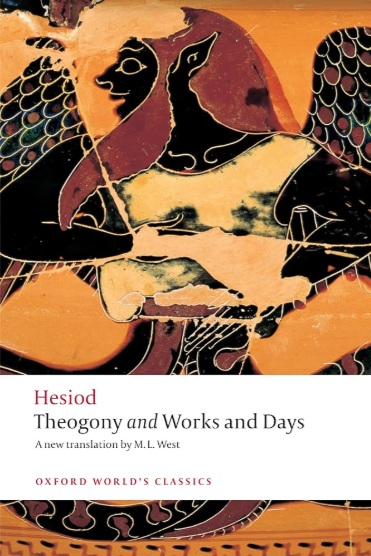
Theogony and Works and Days
The divine origin story Homer assumes you already know. Written roughly contemporary with Homer, Hesiod's Theogony lays out the genealogy of the gods — how Zeus came to power, which gods are related to which, and why the Olympians behave the way they do. A short read that pays enormous dividends when the gods start intervening in the Iliad.
Buy on Amazon → 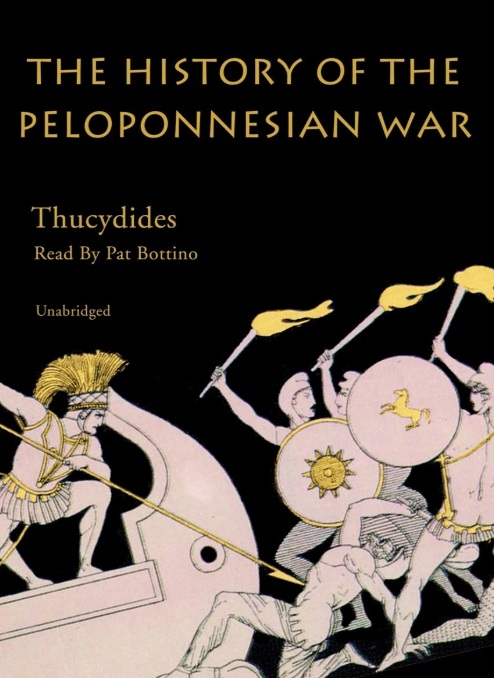
History of the Peloponnesian War
Thucydides treated the Trojan War as a genuine historical event but applied skeptical scrutiny to Homer's numbers and claims. His brief analysis in Book 1 is essential: he accepts the war happened while doubting its scale. This ancient critical distance is a useful corrective to both dismissing Homer entirely and accepting him too literally.
Buy on Amazon → 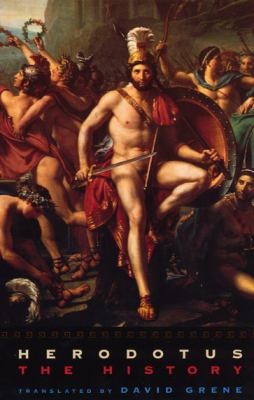
The Histories
Herodotus placed the Trojan War in a broader eastern Mediterranean context, seeing it as an early episode in the long conflict between Europe and Asia. His account of how the Egyptians and Phoenicians remembered the story of Helen is a fascinating counterpoint to Homer's version — a reminder that the Greeks were not the only people with opinions about what happened at Troy.
Buy on Amazon → As an Amazon Associate, I earn from qualifying purchases.
Compare the best Iliad translations — Fagles, Wilson, Green, and Lattimore with sample passages — or browse recommended editions and gifts for the serious reader.